
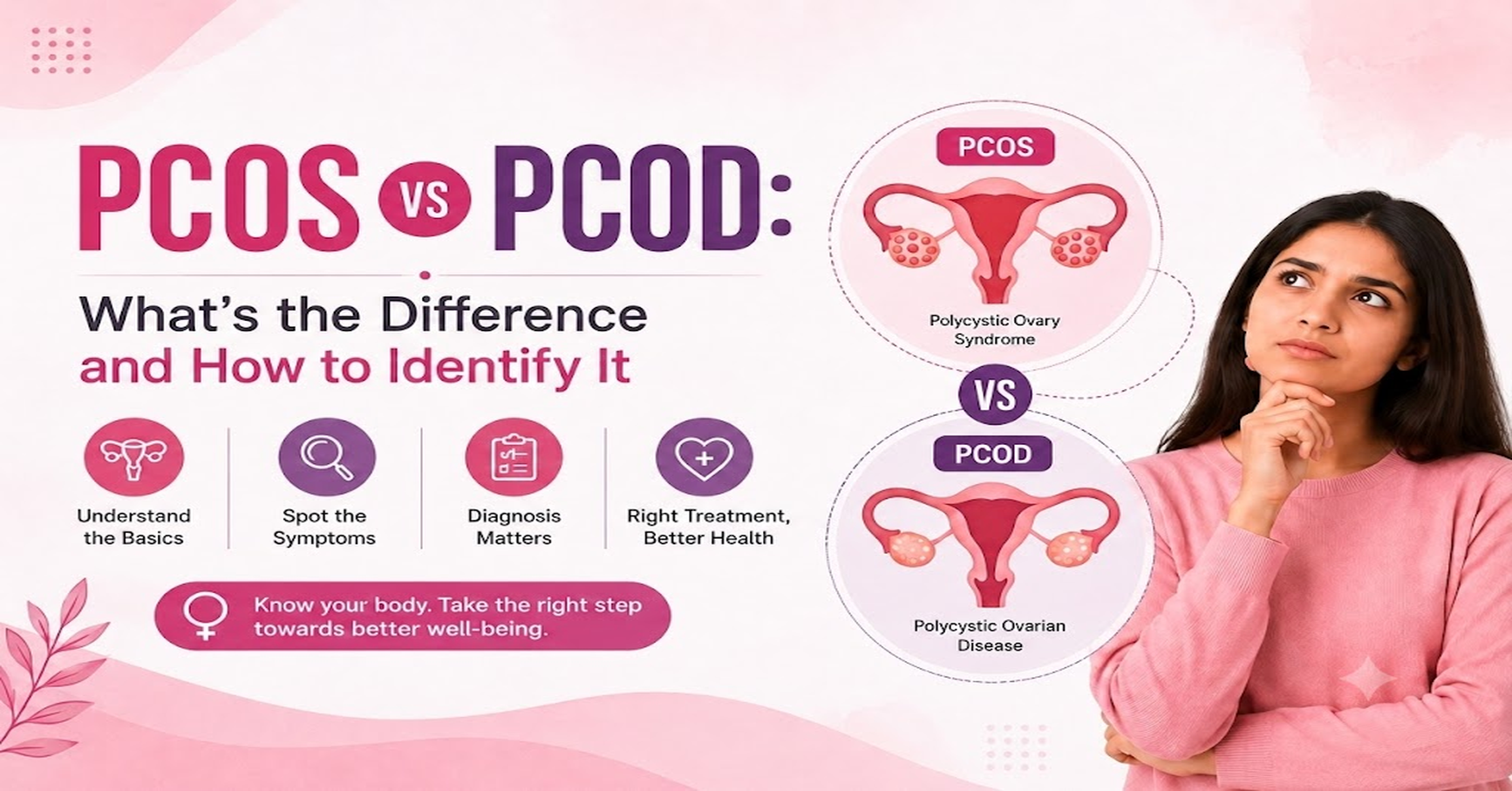

Are PCOS and PCOD the same condition?No, and confusing the two can delay the right treatment. These two terms get used interchangeably in daily conversation largely because both disorders originate in the ovaries and produce a similar set of visible symptoms. PCOD is a metabolic condition where the ovaries release immature eggs, while PCOS is a hormonal disorder with a wider reach into insulin regulation, fertility and long-term metabolic health. Getting clarity on PCOS vs PCOD dtermines how a gynaecologist reads test results, decides on a treatment approach and plans follow-up care.
Most women only know the PCOD and PCOS difference after a diagnosis has already been made. This blog breaks down both conditions, compares them directly and outlines when it makes sense to consult a gynaecologist for proper evaluation.
What Is PCOD (Polycystic Ovarian Disease)?
PCOD develops when the ovaries release immature eggs, and these accumulate as small cysts over time. It is one of the commonly diagnosed hormonal conditions among women in their reproductive years.
Common Causes of PCOD
Diet plays a larger role here than most patients expect. Excess weight, low physical activity and a family history of the condition all raise the chance of PCOD.
Insulin resistance often remains underneath these factors, interfering with how the ovaries mature and release eggs each cycle. Stress also compounds the problem, particularly when it goes unaddressed for months at a time.
Typical Symptoms of PCOD
PCOD symptoms include irregular periods, mild pelvic discomfort, gradual weight gain and breakouts that do not respond to typical skincare.
Fatigue and low mood tend to follow, since hormonal fluctuations affect more than just the reproductive system. PCOD symptoms usually get better with good nutrition and exercise.
What Is PCOS (Polycystic Ovary Syndrome)?
PCOS is a hormonal disorder involving increased androgen levels, insulin resistance and irregular periods or periods that stop altogether. Its effects reach beyond fertility into metabolic and cardiovascular health.
Common Causes of PCOS
Family history matters considerably with PCOS. When a mother or sister has been diagnosed, the risk rises noticeably.
Chronic insulin resistance and excess androgen production drive the condition from within, and lifestyle factors such as poor diet or prolonged inactivity tend to make an existing imbalance worse rather than causing it outright.
Typical Symptoms of PCOS
PCOS symptoms are often more severe than those of PCOD and may include irregular or missed periods, excessive hair growth on the face and body, persistent acne, and weight gain that can be difficult to manage despite lifestyle changes.
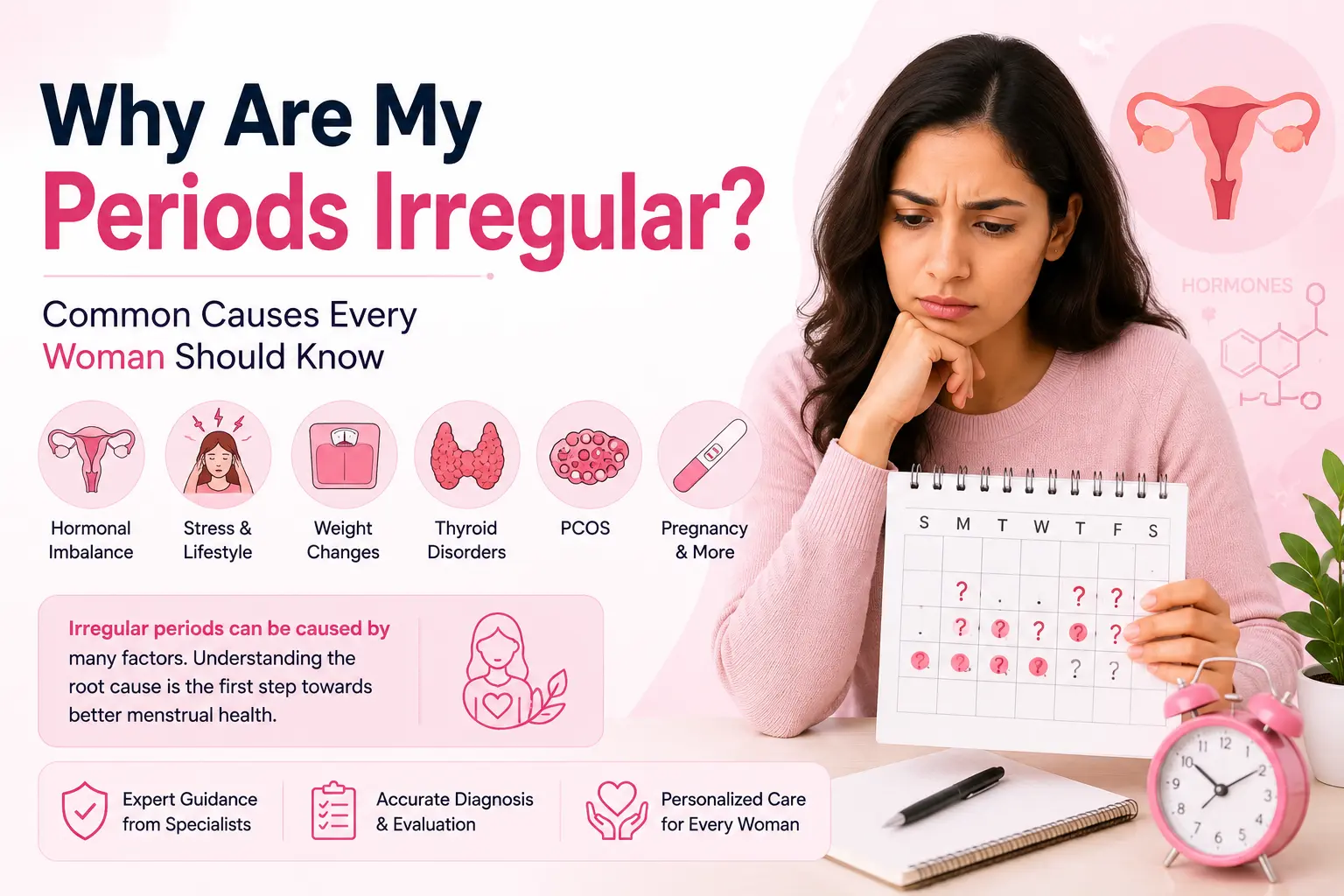
PCOS irregular periods trace back to anovulation, where the ovary simply does not release an egg cycle after cycle. Insulin resistance frequently rides alongside these symptoms too. If left unaddressed, it raises the odds of developing type 2 diabetes or heart disease later in life.
PCOD vs PCOS
| Parameter | PCOD | PCOS |
| Ovary Involvement | Immature eggs accumulate as cysts | Ovulation is often irregular or absent |
| Hormonal Impact | Moderate disturbance | Marked androgen excess, insulin resistance |
| Severity | Mild to moderate | More severe, systemic in nature |
| Fertility Impact | Usually manageable | Higher risk of infertility |
| Long-Term Health Risk | Comparatively lower | Increased risk of diabetes, heart disease |
PCOD/PCOS treatment consists of a systematic process in which hormonal control and medical checkups are required on a regular basis, as per the patient’s diagnosis.
Overlapping Symptoms: Why Women Often Confuse the Two
The two conditions include symptoms that patients frequently mistake one for the other before any testing has been done. A quick checklist helps flag when evaluation is worth pursuing.
- Irregular or missed periods
- Unexplained weight gain
- Acne or excess facial and body hair
- Difficulty conceiving
A woman experiencing PCOD weight gain may assume her condition is mild, but the underlying hormonal imbalance can sometimes be more complex. Girls who experience irregular menstrual cycles must be given proper medical care because problems with the hormones can affect their reproductive health later in life.
Taking care of these considerations is a vital component of adolescent health, and proper testing is the only means by which the problem can be correctly diagnosed and treated.
How Are PCOD and PCOS Diagnosed?
Diagnosis relies on physical examination, hormone testing and imaging together. These combined findings reveal to a gynaecologist which condition is present and how far it has progressed.
Tests and Scans Typically Used
| Test/Scan | Purpose |
| Pelvic Examination | Checks for abnormalities in the reproductive organs. |
| Ultrasound Scan (TVS/Abdominal) | Examines the ovaries and detects multiple cysts. |
| Hormonal Blood Test | Measures key hormone levels, including LH, FSH, estrogen, testosterone, insulin, and thyroid hormones. |
| Glucose and Lipid Profile | Evaluates blood sugar, insulin resistance, and cholesterol levels. |
| BMI and Weight Analysis | Assesses body weight and its impact on hormonal health. |
These tests are usually conducted together for PCOD/PCOS diagnosis and help physicians to identify the condition effectively and formulate the right treatment program.
Can PCOD or PCOS Be Treated?
There is no cure for either PCOD or PCOS because both of these are chronic hormonal disorders that need to be managed throughout life. But appropriate PCOD/PCOS treatment can control the symptoms and reduce the chances of developing complications.
Doctor’s Insight – PCOD is generally well-responsive to a lifestyle-oriented approach if detected at an early stage. However, PCOS normally needs something more comprehensive, including diet control along with regular monitoring.
Lifestyle and Diet Management
Regular physical activity, a diet lower in refined sugar and consistent sleep help stabilise insulin levels and support ovulation. Even a modest drop in body weight often brings a visible improvement in cycle regularity and androgen-related symptoms within a few months.
When Medical Treatment Is Needed
A doctor may recommend hormonal therapy to regulate periods and support ovulation when lifestyle changes do not restore regular cycles. Infertility treatment may become necessary for women trying to conceive.
When Should You See a Gynaecologist?
Consider an evaluation if periods stay irregular beyond three cycles in a row or if you notice sudden weight change, excess hair growth or persistent acne. Booking a consultation & counselling session early gives you a head start on diagnosis and helps avoid complications such as infertility.
About the Author
Dr. Charulata Bansal is a Jaipur-based gynaecologist with 13+ years of experience in obstetrics, gynaecology, and laparoscopic surgery. Her specialisation revolves around the treatment and diagnosis of various hormonal problems such as PCOD and PCOS through accurate clinical methods.
Conclusion
The gap between PCOS vs PCOD comes down to severity, hormonal involvement and long-term health risks, even with symptoms that often look alike on the surface. PCOD tends to improve with consistent lifestyle changes, while PCOS usually needs closer medical oversight to lower the risk of infertility and metabolic complications. Getting tested properly is the only reliable starting point. Book a consultation at Dr. Charulata Bansal Women’s Clinic to get the right diagnosis and a treatment plan suited to you.
FAQs
Are PCOD and PCOS the same thing?
No. PCOD is a milder metabolic condition, while PCOS is a broader hormonal disorder with more significant long-term implications.
Can PCOD turn into PCOS?
Not directly, but an untreated case of PCOD can develop metabolic complications that start to resemble features of PCOS.
Is PCOD curable or only manageable?
On whether “PCOD is curable”, most gynaecologists describe it as manageable rather than curable, especially with sustained lifestyle changes.
Can I get pregnant if I have PCOS?
Yes. Many women dealing with PCOS and infertility go on to conceive once ovulation is restored through proper treatment.
Does PCOD always cause weight gain?
Not in every case, though it remains one of the most commonly reported symptoms among women diagnosed with the condition.
When should I get tested for PCOD or PCOS?
Get tested once periods become irregular or acne, excess hair growth or unexplained weight changes last longer than a few months.

Dr. Charulata Bansal
Consultant Obstetrician Advanced Gynaecological laparoscopic surgeon MBBS, MS, DNB, FMAS, FICMCH (13 Years of Experience)
Dr. Charulata Bansal is widely recognized as one of the best gynaecologists in Jaipur, known for her exceptional skills, compassionate care, and deep commitment to women’s health. With a strong foundation in Obstetrics and Gynecology, she currently serves as an infertility specialist and laparoscopic surgeon at Cocoon Hospital, Jaipur, a leading center for advanced women’s healthcare. Additionally, she provides personalized consultations and treatments at her own clinic.
Know More →