


For women, pregnancy is often a time filled with hope, excitement, and some anxieties. During the early weeks, your body undergoes numerous changes. Some of these changes are normal, while others may leave you feeling confused or even frightened. It is crucial to understand what constitutes a normal occurrence and when medical advice may be required. Recognizing the early signs of a potential complication enables you to take immediate action and receive appropriate treatment.
In this guide, we will provide you with information regarding the common signs of miscarriage during the early stages of pregnancy, its causes, and when you should consult a doctor. The aim of this guide is not to alarm you, but rather to keep you informed.
What Is Early Miscarriage?
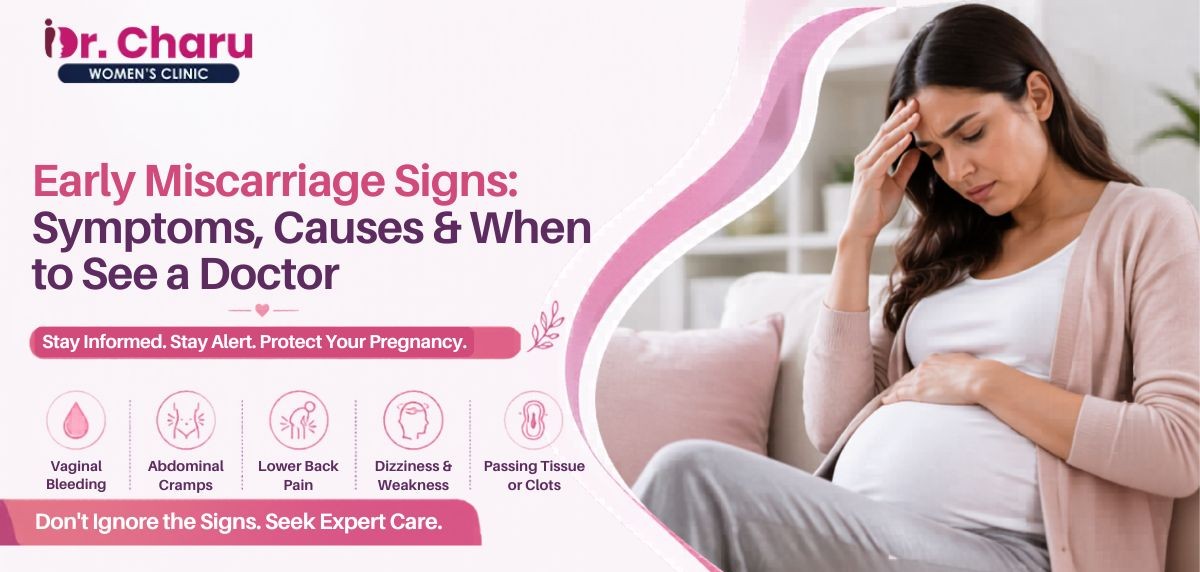
An early miscarriage refers to the loss of a pregnancy within the first 12 weeks. This typically occurs before the fetus has fully developed, and it is most common during the first trimester of pregnancy. Many women are not even aware that they are pregnant when this event takes place. The most common cause is chromosomal abnormalities, which prevent the fetus from developing properly. Symptoms may include bleeding, abdominal cramping, or back pain; however, some miscarriages occur without any apparent warning signs. It is important to remember that early miscarriages are quite common and are often unavoidable. Seeking timely medical advice can help in managing this situation and may also assist in ensuring a healthy pregnancy in the future.
Early Signs of Miscarriage
Not every symptom means that something is wrong. However, some signs should never be ignored.
1. Vaginal Bleeding
Light spotting during early pregnancy can be normal. However, heavy bleeding—especially if accompanied by blood clots or tissue—may be a warning sign and a cause for concern.
If the bleeding becomes heavier than a normal menstrual period, it is best to seek medical advice.
2. Lower Abdominal Pain or Cramping
As the uterus grows, mild cramping is common. However, severe and persistent pain in the lower abdomen or back could be a sign of a problem.
Any pain that feels similar to—or even more intense than—the severe cramps experienced during menstruation requires immediate investigation.
3. Loss of Pregnancy Symptoms
Sudden changes—such as a reduction in nausea, breast tenderness, or fatigue—can be a cause for concern. Although symptoms may naturally fluctuate, their sudden disappearance may warrant attention.
4. Passing Tissue or Fluid
If you observe a tissue-like substance being discharged from the vagina, it could be a serious sign. In such a situation, it is essential to seek immediate assistance from a competent gynecologist.
5. Back Pain
Mild or severe lower back pain—especially when accompanied by bleeding—could be a sign of a miscarriage.
Common Causes of Early Miscarriage
Understanding the causes of miscarriage can help reduce confusion and guilt. Most miscarriages occur due to reasons over which you have no control.
1. Chromosomal Problems
This is the most common cause. It occurs when the embryo has too few or too many chromosomes, making the normal development of the baby impossible.
2. Hormonal Imbalance
Low progesterone levels can affect the uterus’s ability to support a pregnancy.
3. Health Conditions
Some medical conditions that may increase the risk, such as:
- Thyroid disorders
- Diabetes
- Infections
4. Lifestyle Factors
Some habits may raise the risk:
- Smoking
- Alcohol use
- Excess caffeine
5. Age Factor
The risk of miscarriage may be slightly higher in women over the age of 35.
When to See a Doctor
It is very important for women to know when they should seek medical assistance. Getting timely check-ups can help reduce risks.
If you experience these symptoms, you should contact a doctor:
- Heavy bleeding
- Severe abdominal pain
- Dizziness or fainting
- Passing tissue
- Fever or chills
If you have any doubts, it is always safer to get checked. Often, even mild symptoms can be troubling, so it is important to pay attention to them.
If you are in Rajasthan, you can consult Dr. Charu Lata—Jaipur’s best gynecologist—who can provide you with timely, appropriate guidance and excellent care.
How Is Miscarriage Diagnosed?
Doctors use some simple methods to detect a miscarriage and determine what is actually happening.
- Ultrasound Scan: To check the baby’s heartbeat and development
- Blood Tests: To measure pregnancy hormone levels
- Physical Examination: To check the cervix and overall condition
These tests help determine whether the pregnancy is progressing normally.
Can Miscarriage Be Prevented?
Not all miscarriages can be prevented. However, taking care of your health can reduce the risk.
Healthy Tips for a Safer Pregnancy:
- Eat a balanced diet
- Take prenatal vitamins
- Avoid smoking and alcohol
- Limit caffeine intake
- Get regular checkups
Consulting with the best female gynecologist in Jaipur can ensure that you receive proper guidance throughout your entire pregnancy.
Emotional Impact of Miscarriage
Abortion is not merely physical—it can also affect your emotions. Feelings such as sadness, guilt, or confusion are very common.
It’s important to remember:
- You are not alone
- It is not your fault
- Support is available
Talking to your partner, family, or doctor can help you heal emotionally.
Trying Again After a Miscarriage
Many women go on to have healthy pregnancies even after a miscarriage. Doctors often advise waiting until your body has fully recovered.
Before trying again:
- Follow your doctor’s advice
- Maintain a healthy lifestyle
- Address any medical conditions
Every pregnancy is different, and with proper care, the likelihood of a healthy outcome is higher.

FAQs
1. What are the first signs of early miscarriage?
The most common signs include vaginal bleeding, abdominal pain, and loss of pregnancy symptoms. However, mild symptoms can also be normal, so always consult a doctor.
2. Can stress cause miscarriage?
Normal daily stress does not usually cause miscarriage. However, extreme stress combined with other factors may affect overall health.
3. Is spotting always a sign of miscarriage?
No, light spotting can be normal in early pregnancy. But heavy bleeding should always be checked.
4. How early can a miscarriage happen?
It can happen as early as the first few weeks, sometimes even before a woman knows she is pregnant.
5. When should one see a doctor at the beginning of pregnancy?
If you experience excessive bleeding, severe pain, dizziness, or any unusual symptoms, you should see a doctor as soon as possible.
6. Can women have a healthy pregnancy after an abortion?
Yes, with proper care and guidance, many women have successful pregnancies after an abortion.

Dr. Charulata Bansal
Consultant Obstetrician Advanced Gynaecological laparoscopic surgeon MBBS, MS, DNB, FMAS, FICMCH (13 Years of Experience)
Dr. Charulata Bansal is widely recognized as one of the best gynaecologists in Jaipur, known for her exceptional skills, compassionate care, and deep commitment to women’s health. With a strong foundation in Obstetrics and Gynecology, she currently serves as an infertility specialist and laparoscopic surgeon at Cocoon Hospital, Jaipur, a leading center for advanced women’s healthcare. Additionally, she provides personalized consultations and treatments at her own clinic.
Know More →