







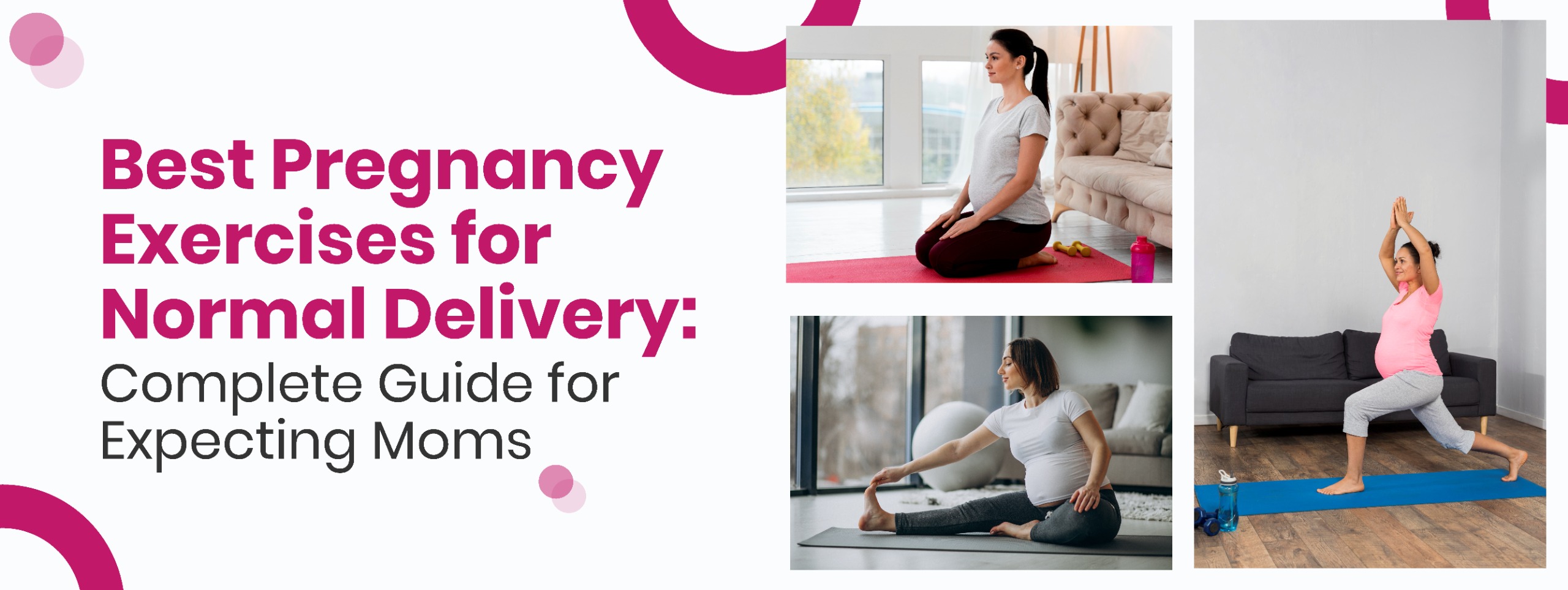

Pregnancy is a beautiful journey — and preparing your body through the right kind of exercises can make a significant difference to how smoothly you carry your baby and deliver. Gentle, safe pregnancy workouts help build strength, improve flexibility, and boost stamina — all of which support a smoother, more comfortable delivery.
Whether you’re a first-time mom or experienced, choosing the right pregnancy exercises can help you stay healthy, reduce discomforts, and increase chances of a normal delivery. In this guide, we explore the best pregnancy exercises, how to do them safely, and when to consult a doctor — because every pregnancy is unique.
Why Exercise During Pregnancy Matters
Staying active during pregnancy isn’t just good for your body — it also helps your mind, improves circulation, and prepares you for the physical demands of childbirth. According to medical experts and maternity care specialists:
- Regular exercise during pregnancy may reduce the risk of gestational diabetes and excessive weight gain, and can help ease common discomforts like back pain and swelling. (NHS Pregnancy Guidelines)
- Strengthening core muscles, pelvic floor, and overall stamina aids in labour and can shorten labour time. (MiraclesHealth maternity care research)
- Proper preparation improves endurance and muscle control — useful during contraction and pushing phases. (Dr. Bindu Garg’s pregnancy exercise guidelines)
However, it’s important to follow safe, pregnancy-appropriate exercises and avoid high-impact or excessively strenuous routines. Always consult a qualified doctor or expert before starting any pregnancy workout routine.
If you are looking for expert care in Jaipur, you might look up a trusted gynecologist in Jaipur for personalized guidance and safe prenatal care.
Best Pregnancy Exercises for Normal Delivery
Here are some of the safest and most effective exercises recommended during pregnancy — especially helpful for preparing body and mind for a normal delivery.
1. Pelvic Floor & Kegel Exercises
Pelvic floor exercises — often called Kegels — are perhaps the most important for expecting moms. These exercises strengthen the pelvic floor muscles, which support the uterus, bladder, and bowels. Strong pelvic floor muscles can:
- Help during labour and pushing phase (better control and endurance)
- Promote faster recovery after birth
- Prevent incontinence or pelvic discomfort
How to do Kegels:
- Sit or lie down comfortably
- Breathe normally, then gently contract the pelvic muscles (as if trying to stop urine mid-flow)
- Hold for 5–10 seconds, then relax for equal time
- Repeat 10–15 times, 2–3 times a day
No special equipment needed — just mindfulness and consistency.
2. Prenatal Yoga / Gentle Stretching & Breathing Exercises
Prenatal yoga and gentle stretching help maintain flexibility, reduce stiffness, and promote relaxation. Yoga poses and breathing exercises increase oxygen flow, reduce stress, and prepare your body for labour.
Recommended practices:
- Gentle hip openers, butterfly stretch, cat-cow stretch
- Deep breathing and slow controlled breathing (helps during contractions)
- Mild spine and lower back stretches (reduce back pain and improve posture)
Benefits: improves flexibility, reduces stress, supports posture, and improves circulation.
3. Walking (Low-Impact Cardio)
Walking is perhaps the safest and most accessible exercise during pregnancy. It keeps you active without putting undue stress on joints or spine.
Why walking helps:
- Maintains healthy circulation
- Keeps stamina and endurance up, preparing you for labour
- Regulates weight gain and helps reduce swelling
Aim: ~20–30 minutes of moderate walking daily (or 4–5 times a week), depending on how you feel.
4. Squats (Modified for Pregnancy)
Squats — when done safely — help strengthen leg muscles, open up the pelvis, and improve muscle tone needed for childbirth.
How to perform pregnancy-safe squats:
- Stand with feet shoulder-width apart
- Keep back straight, belly relaxed
- Lower down gently (as if sitting), as far as comfortable — avoid over-stretching
- Use support (wall or chair) if needed for balance
- Do 8–12 slow squats, 1–2 sets
Important: Keep movements smooth, avoid bouncing, and listen to your body.
5. Pelvic Tilts & Bridge Exercises
Pelvic tilts and bridging help strengthen lower back and core muscles — often weakened due to pregnancy. They help relieve lower-back pain and improve pelvic stability.
Pelvic tilt:
- Lie on your back (or side if supine lying is uncomfortable after 2nd trimester)
- Bend knees, feet flat on floor
- Gently tilt pelvis upward, flattening small of back against floor
- Hold 5–10 seconds, relax, repeat 8–10 times
Bridge pose:
- Lie on back, knees bent, feet flat, arms at sides
- Lift hips slowly until body forms straight line from shoulders to knees
- Hold 5–8 seconds, lower slowly
These core-strengthening exercises help your body support extra weight, prepare pelvic muscles for delivery, and ease postpartum recovery.
Safety First — Precautions & When to Avoid/Modify
Pregnancy exercise must always be safe and gentle. Here are important safety guidelines to follow:
- Always consult your doctor/gynecologist before starting or continuing any exercise plan — especially if you have pre-existing conditions, high-risk pregnancy, or complications.
- Avoid heavy lifting, high-impact workouts, sudden jerks, or contact sports — these can increase risk to you and baby.
- Stop exercising and consult doctor if you experience bleeding, dizziness, severe pain, contractions, or fluid leakage.
- Stay well-hydrated, avoid overheating, and wear comfortable, supportive clothing/shoes.
- Start with low intensity, and progress gradually. Your pace should be comfortable, not exhausting.
Suggested Pregnancy Exercise Routine (Trimester-Wise Guidance)
| Trimester | Recommended Exercises & Frequency |
| 1st Trimester (Weeks 1–12) | Light walking + gentle stretching 3–4 times/week; begin pelvic floor exercises daily |
| 2nd Trimester (Weeks 13–26) | Continue walking, add prenatal yoga 2–3×/week; begin gentle squats, pelvic tilts, avoid supine lying after week 20 |
| 3rd Trimester (Weeks 27–Full Term) | Focus on pelvic floor, bridge, modified squats, short walks; avoid strenuous activity; practice deep breathing and relaxation daily |
Use this plan as a flexible guide — every pregnancy is unique. Listen to your body and consult with your doctor regularly.
When to See a Doctor or Obstetrician
Some warning signs during pregnancy workouts require immediate medical care:
- Vaginal bleeding or spotting
- Sudden sharp abdominal pain or cramping
- Dizziness, fainting, severe headache
- Severe swelling (hands/face), vision changes, high blood pressure
- Contractions or fluid leakage
- Persistent back pain or pelvic pressure beyond normal discomfort
If you’re in or near Jaipur and want personalized, safe prenatal care and guidance — including exercise plans tailored for your pregnancy — consider consulting with the best gynecologist in Jaipur for expert supervision.
Lifestyle, Diet & Additional Tips for Healthy Pregnancy & Delivery
Besides exercise, healthy lifestyle and smart diet choices boost your pregnancy outcomes:
- Balanced diet rich in calcium, protein, fiber, and iron — supports bone strength, fetal development, and digestion.
- Plenty of hydration, especially when exercising.
- Frequent short walks and stretching to avoid stiffness and poor circulation.
- Good posture and ergonomic support — helps prevent back pain and pelvic pressure.
- Adequate rest and mindful breathing/relaxation — reduces stress and supports hormonal balance.
Pregnancy is demanding — but with the right care, exercise, and support, you can significantly increase the chances of a smooth, normal delivery.
Final Thoughts
Pregnancy is an amazing, transformative journey — and how you care for your body during these months has a big impact on your delivery and postpartum recovery. Gentle, safe, and consistent pregnancy exercises — like pelvic floor training, prenatal yoga, walking, squats, and stretching — help build strength, flexibility, endurance, and mental readiness.
Remember: every pregnancy is unique. Always prioritize safety, listen to your body, and consult a trusted doctor. If you are looking for expert guidance and care, reach out to the female gynecologist in Jaipur for personalized prenatal support.
Wishing all expecting moms a healthy pregnancy and a comfortable, smooth delivery!

Dr. Charulata Bansal
Consultant Obstetrician Advanced Gynaecological laparoscopic surgeon MBBS, MS, DNB, FMAS, FICMCH (13 Years of Experience)
Dr. Charulata Bansal is widely recognized as one of the best gynaecologists in Jaipur, known for her exceptional skills, compassionate care, and deep commitment to women’s health. With a strong foundation in Obstetrics and Gynecology, she currently serves as an infertility specialist and laparoscopic surgeon at Cocoon Hospital, Jaipur, a leading center for advanced women’s healthcare. Additionally, she provides personalized consultations and treatments at her own clinic.
Know More →