









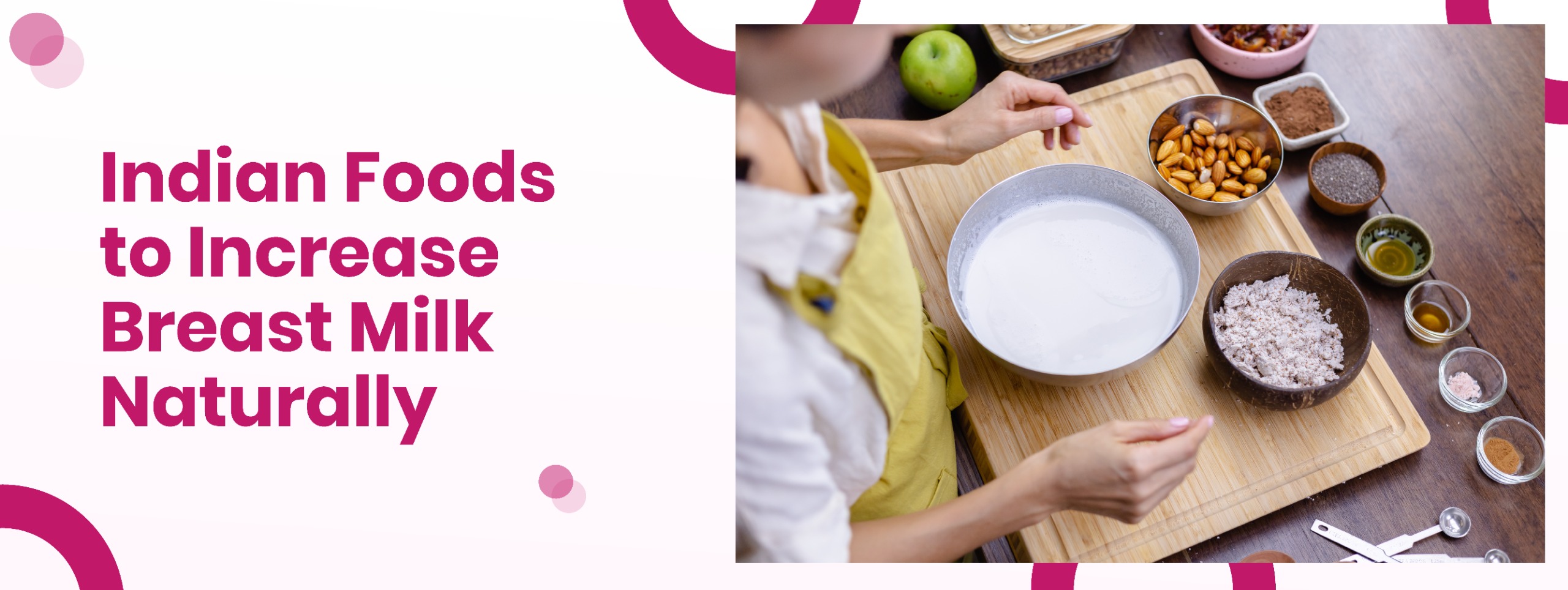

Breastfeeding is a beautiful and powerful journey between a mother and her baby. For new moms, one of the most common concerns after delivery is whether they are producing enough breast milk. While frequent feeding and proper rest play a major role, your daily diet also has a direct impact on breast milk production and quality.
Indian cuisine is rich in traditional foods that have been used for generations to support lactation. In this guide, Dr. Charulata explains which Indian foods help increase breast milk naturally, how to include them in your meals, and a simple diet chart for new moms.
If you have concerns related to breastfeeding or postpartum health, consulting an experienced best gynecologist in Jaipur can help you get personalized guidance.
Why Diet Is Important During Breastfeeding
Breast milk is the primary source of nutrition for your baby during the first six months. To produce enough milk:
- Your body needs extra calories
- Proper hydration is essential
- Nutrients like protein, iron, calcium, and healthy fats are required
A poor or imbalanced diet may lead to low energy, fatigue, and reduced milk supply. This is why Indian postpartum diets focus on warm, nourishing, and digestion-friendly foods.
Top Indian Foods That Help Increase Breast Milk
1. Fenugreek (Methi)
Fenugreek seeds are one of the most trusted natural galactagogues (milk-boosting foods).
How to consume:
- Soak 1 teaspoon of methi seeds overnight and drink the water in the morning
- Add methi leaves to sabzi or paratha
2. Garlic
Garlic has been traditionally used to stimulate milk production and improve digestion.
Tip: Add crushed garlic to dal, vegetables, or soups for better absorption.
3. Green Leafy Vegetables
Spinach, bathua, fenugreek leaves, and drumstick leaves are rich in iron, calcium, and fibre.
Benefits:
- Improves milk quantity
- Prevents anemia
- Boosts overall energy
- Oats
Oats are rich in iron and complex carbohydrates that help maintain steady energy levels.
Easy ways to eat oats:
- Oats porridge with milk
- Oats dosa or cheela
- Oats added to vegetable upma
5. Nuts and Seeds
Almonds, walnuts, flaxseeds, and sesame seeds provide healthy fats and protein.
Best practice:
- Soak almonds overnight
- Add roasted seeds to laddoos or smoothies
6. Milk and Dairy Products
Milk, curd, paneer, and buttermilk provide calcium and protein essential for both mother and baby.
Note: If you are lactose intolerant, consult a Gynecologist in Jaipur for suitable alternatives.
7. Garlic & Jeera Water
Cumin (jeera) improves digestion and helps prevent gas, which is common after delivery.
How to prepare:
- Boil 1 teaspoon jeera in water
- Drink warm once or twice daily
8. Whole Grains and Pulses
Brown rice, whole wheat, dal, rajma, and chana are rich in fiber and plant protein.
They help:
- Maintain energy
- Support sustained milk production
- Improve digestion
9. Traditional Indian Laddoos
Postpartum laddoos made from gond, dry fruits, and edible gum are popular for a reason.
Benefits:
- Strengthen the body after delivery
- Improve stamina
- Support lactation
10. Fruits That Support Lactation
Seasonal fruits like bananas, apples, papaya (ripe), oranges, and pomegranates provide vitamins and hydration.
What Should a Breastfeeding Mother Eat to Increase Milk Supply?
A breastfeeding mother should eat a balanced Indian diet that includes:
- Protein-rich foods (dal, paneer, nuts)
- Iron-rich foods (spinach, methi, dates)
- Healthy fats (ghee, seeds)
- Plenty of fluids (water, coconut water, jeera water)
Eating small, frequent meals helps maintain energy and milk supply throughout the day.
Indian Diet Chart for Breastfeeding Mothers (Sample)
Early Morning
- Warm water with soaked methi seeds
- 4–5 soaked almonds
Breakfast
- Vegetable oats / dalia
- 1 glass milk or buttermilk
Mid-Morning Snack
- Seasonal fruit bowl
- Coconut water
Lunch
- 2 chapatis or brown rice
- Dal or paneer curry
- Green leafy vegetable
- Curd
Evening Snack
- Roasted chana / peanuts
- Herbal tea or jeera water
Dinner
- Light sabzi with chapati
- Soup (vegetable or lentil-based)
Bedtime
- Warm turmeric milk (if suitable)
Foods to Avoid or Limit During Breastfeeding
- Excess tea or coffee
- Deep-fried and junk food
- Alcohol and smoking
- Extremely spicy or gas-forming foods in excess
Every baby reacts differently, so observe if certain foods cause discomfort.
Tips to Improve Breast Milk Supply Naturally
- Feed your baby frequently
- Stay hydrated (8–10 glasses of water daily)
- Get adequate rest
- Reduce stress and anxiety
- Maintain a balanced diet
If milk supply issues continue, seek guidance from an experienced gynecologist rather than self-medicating.
When Should You See a Doctor?
You should consult a doctor if:
- Baby is not gaining weight properly
- You feel extreme fatigue or dizziness
- There is persistent pain during breastfeeding
- Milk supply remains low despite dietary changes
Dr. Charulata, a trusted gynecologist, provides expert care for pregnancy, postnatal recovery, and breastfeeding concerns.
Final Words
Breastfeeding is a natural process, but it requires proper care, nutrition, and emotional support. Including traditional Indian foods in your daily meals can help boost breast milk naturally while keeping you healthy and energetic.
Every mother’s body is different. If you need personalized advice, do not hesitate to consult a qualified Gynecologist for the best results for you and your baby.
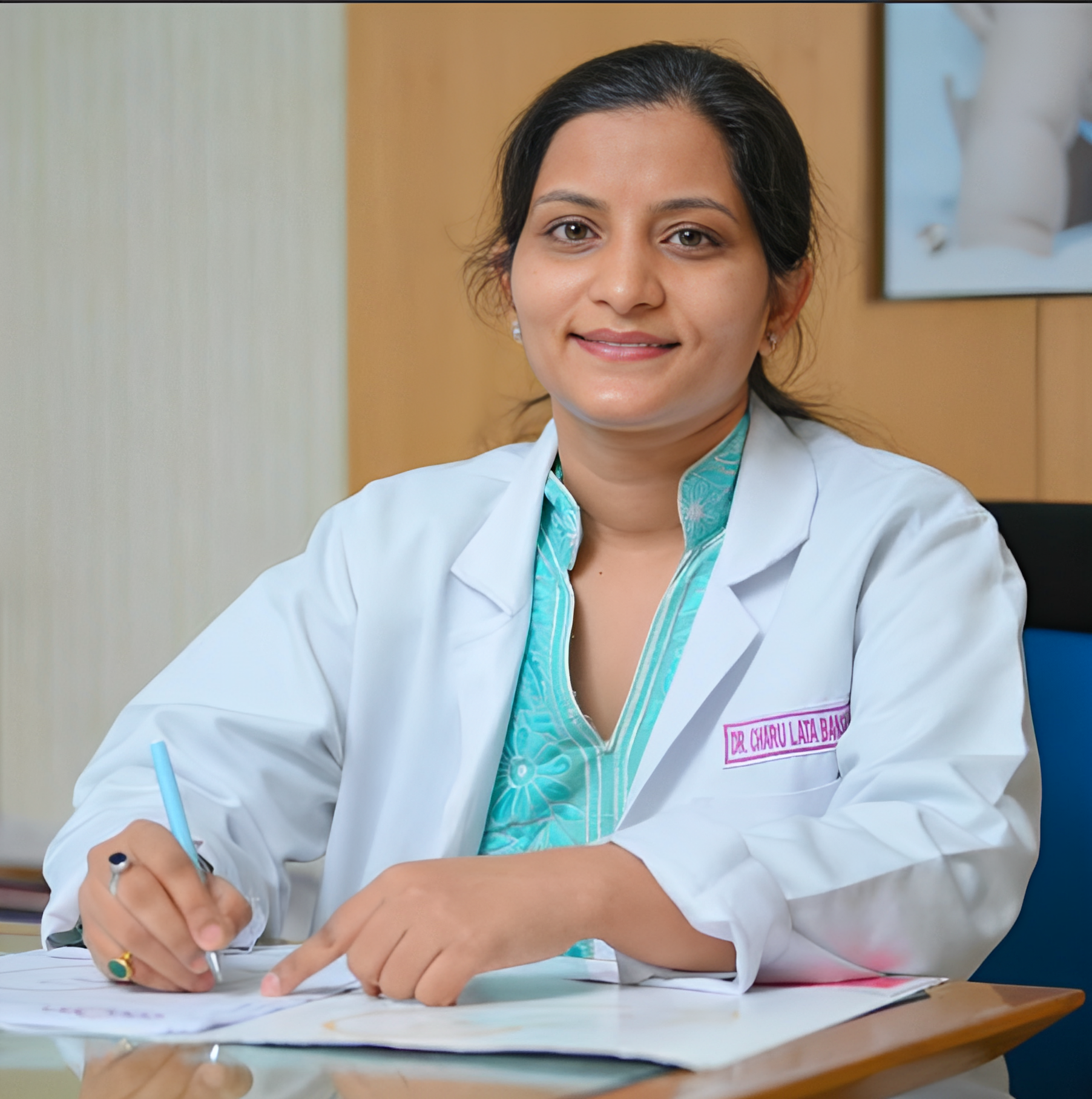
Dr. Charulata Bansal
Consultant Obstetrician Advanced Gynaecological laparoscopic surgeon MBBS, MS, DNB, FMAS, FICMCH (13 Years of Experience)
Dr. Charulata Bansal is widely recognized as one of the best gynaecologists in Jaipur, known for her exceptional skills, compassionate care, and deep commitment to women’s health. With a strong foundation in Obstetrics and Gynecology, she currently serves as an infertility specialist and laparoscopic surgeon at Cocoon Hospital, Jaipur, a leading center for advanced women’s healthcare. Additionally, she provides personalized consultations and treatments at her own clinic.
Know More →