

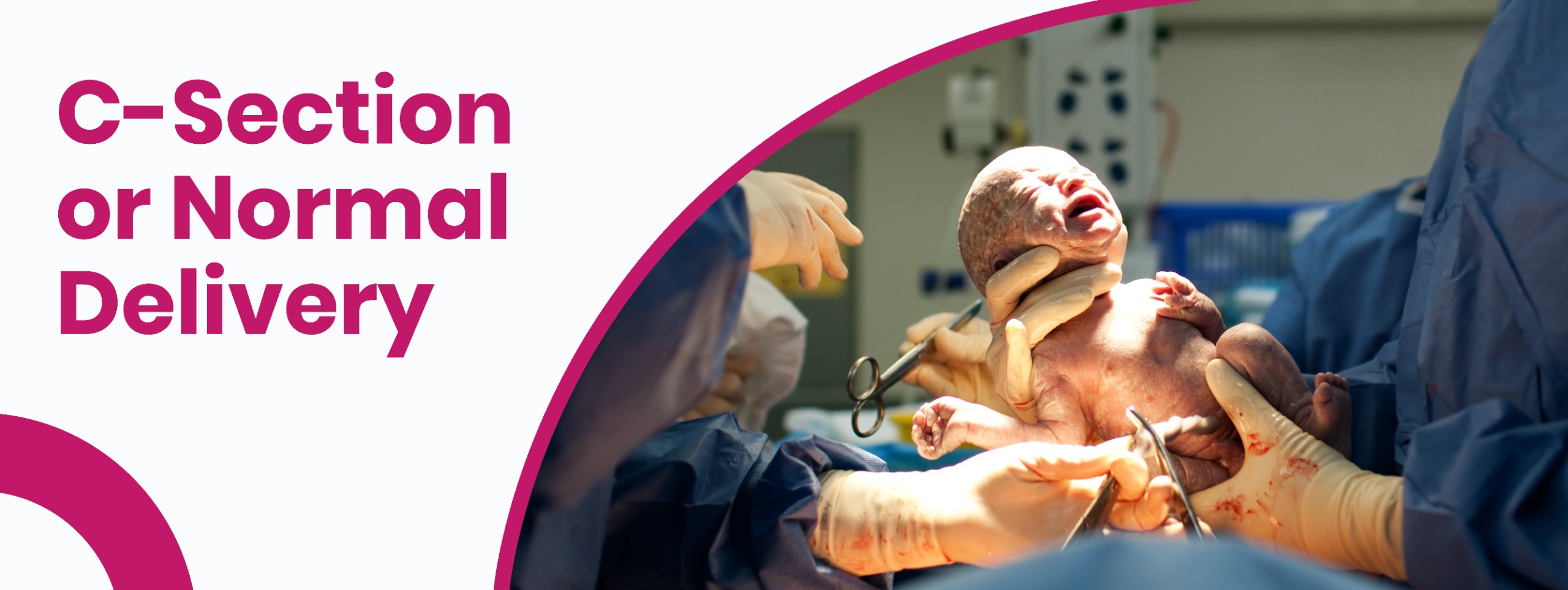

One of the most important decisions a pregnant woman has to make is whether to have a vaginal birth (also called a normal delivery) or a C-section (caesarean section). Both methods are safe when done with medical supervision, but they work differently, take different amounts of time to heal, and carry different risks. Knowing these differences can help parents-to-be make a good choice that keeps both the mother and baby safe and happy.
If you are seeking expert advice or want to discuss your delivery options with a best gynaecologist in Jaipur, it’s essential to know how both delivery types work and what to expect from each.
Understanding the Two Delivery Methods
A normal delivery is when a baby comes out of the vagina without any surgery. It’s how the body naturally gives birth. Contractions help the baby move into the right position and through the birth canal.
A C-section (Caesarean Section) is a surgical way to give birth. The doctor cuts through the mother’s abdomen and uterus to get the baby out. It is usually done when a vaginal birth could be bad for the health of the mother or the baby.
Both delivery types can be safe and successful when managed by a qualified gynaecologist in Jaipur and supported by an experienced healthcare team. The decision often depends on a number of things, such as the mother’s health, the baby’s position, the mother’s previous delivery history, and any emergencies that happen during labor.
Advantages of Normal Delivery
Many women choose to give birth normally because it is good for both the mother and the baby. Here are some reasons why it is often the best choice:
- Faster Recovery:
It usually takes less time to heal after a vaginal birth than after a C-section. Most mothers can walk around within a few hours, and they usually only have to stay in the hospital for one to two days. - Early Bonding and Breastfeeding:
Skin-to-skin contact happens sooner after a vaginal birth, which makes the baby feel safe and encourages breastfeeding right away. This early bonding is good for both the mother and the child and makes them feel good. - Lower Surgical Risks:
There is no cut in the stomach because it’s not surgery. This lowers the risk of infection, blood clots, or problems with anesthesia. - Future Pregnancies Become Easier:
Women who have vaginal births may have fewer problems in later pregnancies. The uterus is still stronger than it was after having a lot of C-sections.
But having a baby the normal way can be hard on the body. Labor can last for hours, and in some cases, mothers may need help with the delivery (with forceps or a Hoover) or tear. Still, with proper prenatal care and the support of a qualified gynaecologist in Jaipur, many women find the process empowering and fulfilling.
When Is a C-Section the Better Option?
When vaginal delivery isn’t safe or possible for medical reasons, a C-section is often the best choice. Here are some common situations:
- Breech presentation (baby positioned feet or bottom first)
- Placenta previa (placenta blocking the cervix)
- Twins or multiple pregnancies
- Fetal distress (baby’s heartbeat becomes irregular during labour)
- Complications in previous deliveries
- Maternal health conditions such as high blood pressure, diabetes, or infections
Benefits of a C-Section:
- Planned and Predictable:
A planned C-section lets doctors and parents pick the date of the birth and get ready for it, which lowers stress and uncertainty. - Prevents Complications:
A C-section can save the mother and the baby if the mother has health problems or a difficult pregnancy. - Less Labor Pain:
The mother avoids the pain and uncertainty of long labor because she gets anesthesia.
Drawbacks of a C-Section:
- Longer Recovery: Full recovery usually takes 6-8 weeks, with activity restrictions in the first few weeks.
- Possible Surgical Complications: There may be a risk of infection, heavy bleeding, or reaction to anesthesia.
- Future Delivery Limitations: If you’ve had more than one C-section, you may be more likely to have problems with your placenta or uterus in later pregnancies.
Key Factors to Consider Before Choosing
It’s important to talk to your doctor and think about the following things when deciding between a normal delivery and a C-section:
- Your overall health and pregnancy history
- The baby’s size, position, and heartbeat
- Pelvic structure and medical conditions
- Hospital facilities and available emergency care
- Your comfort level and recovery expectations
Talking to your gynaecologist will help you understand your unique situation and choose the safest option for you and your baby.
Recovery and Postpartum Care
After Normal Delivery:
- Hospital Stay: Usually 1–2 days
- Healing Time: Around 2–3 weeks for most mothers
- Physical Activity: Light walking encouraged early to promote healing
- Emotional Recovery: Hormonal changes may cause mood swings, so support from family and doctors is important
After C-Section:
- Hospital Stay: Typically 3–4 days
- Healing Time: Around 6–8 weeks
- Care Routine: Avoid heavy lifting, keep the incision clean, and attend regular follow-ups
- Pain Management: Medication may be required for a few days
It doesn’t matter how you do it; postnatal care is very important. After giving birth, mothers can regain their strength and stability by eating well, drinking enough water, and getting emotional support.
Which Is Better: Normal Delivery or C-section?
There isn’t a “better” way that works for everyone. The best option depends on the mother’s and baby’s health, the pregnancy’s conditions, and what the doctor says.
A normal delivery is usually the best choice when there are no problems and the baby is in a healthy position. But a C-section is necessary when safety or medical need calls for it.
Both options can be safe and work if an experienced gynecologist does them.
Final Thoughts
The goal is the same for both a normal delivery and a C-section: to make sure that both the mother and the baby are healthy. Putting safety, health, and comfort first is the best way to go about every pregnancy.
If you’re not sure which method is best for you, talk to the best gynecologist to get a personalized evaluation. With the help of professionals and caring people, you can expect a safe and positive birth.
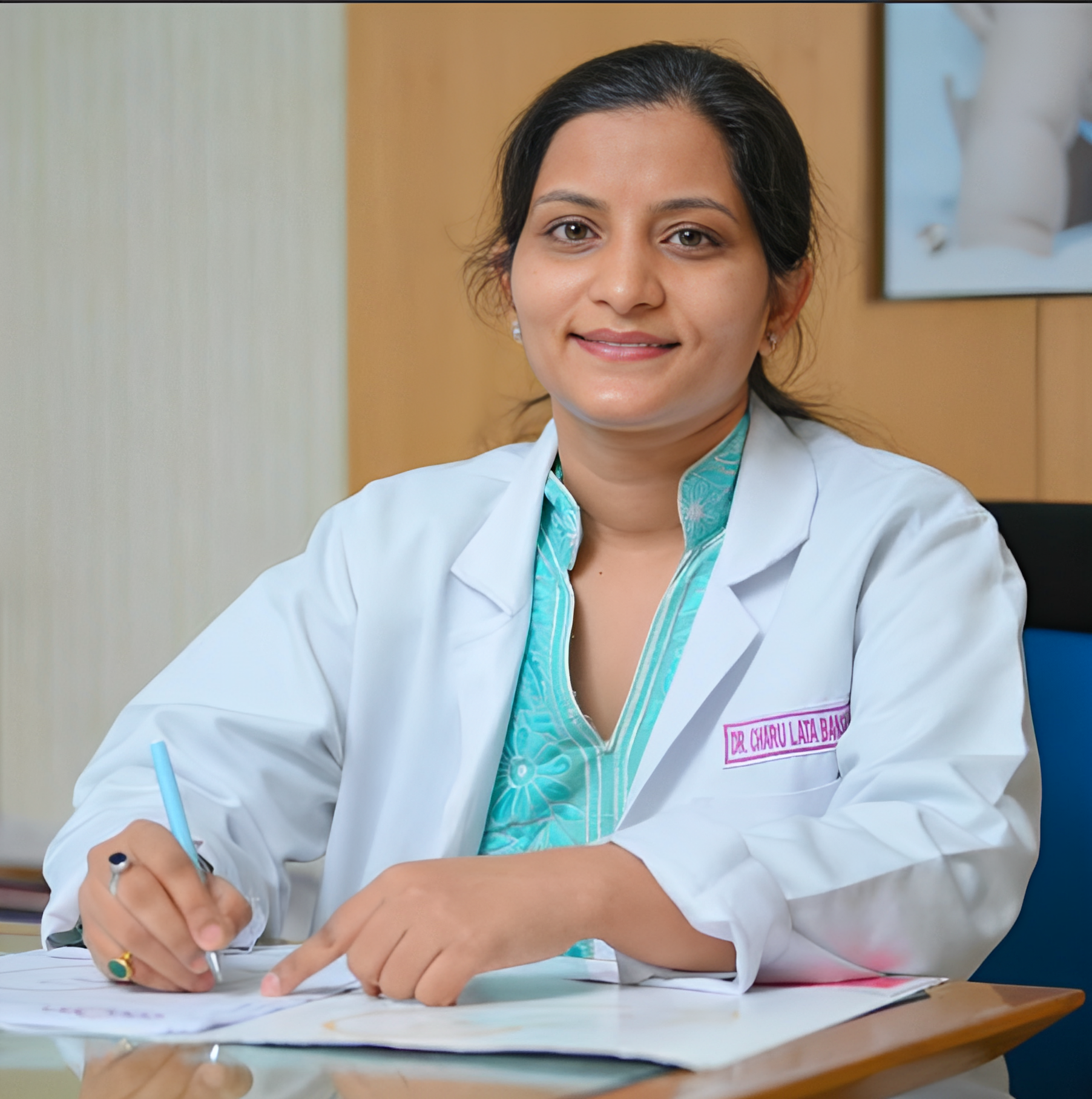
Dr. Charulata Bansal
Consultant Obstetrician Advanced Gynaecological laparoscopic surgeon MBBS, MS, DNB, FMAS, FICMCH (13 Years of Experience)
Dr. Charulata Bansal is widely recognized as one of the best gynaecologists in Jaipur, known for her exceptional skills, compassionate care, and deep commitment to women’s health. With a strong foundation in Obstetrics and Gynecology, she currently serves as an infertility specialist and laparoscopic surgeon at Cocoon Hospital, Jaipur, a leading center for advanced women’s healthcare. Additionally, she provides personalized consultations and treatments at her own clinic.
Know More →